

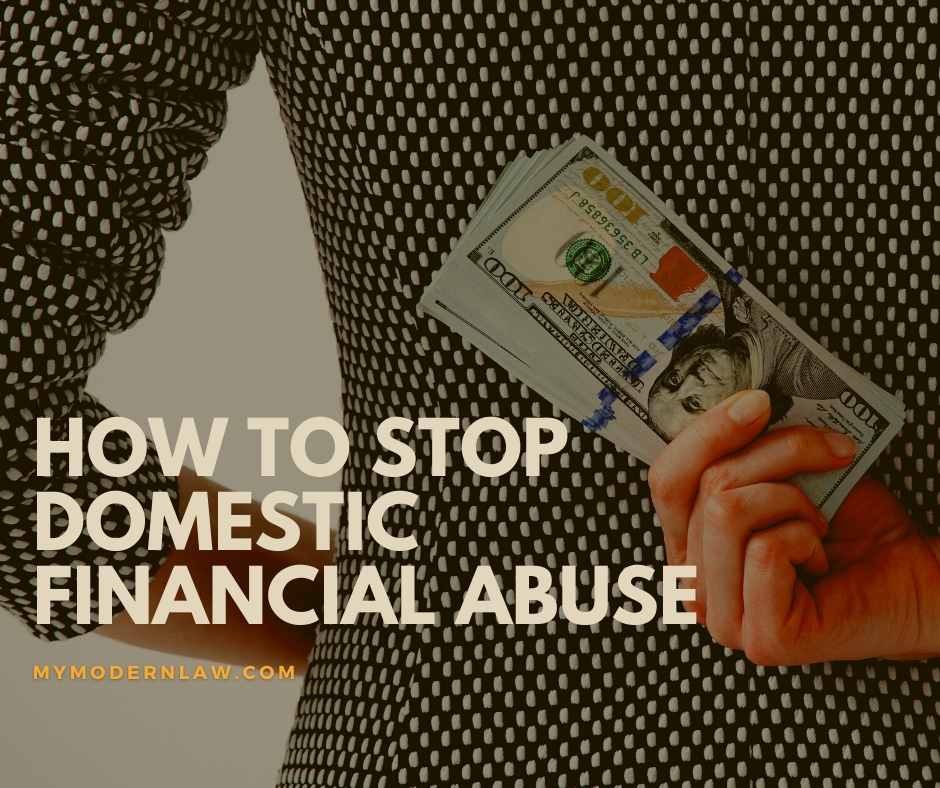
When discussing domestic violence, physical assault and verbal threats often dominate the conversation. Financial abuse receives far less attention, yet it occurs in nearly 98% of abusive relationships.
Financial abuse happens when one partner restricts access to shared money, hides assets, intentionally ruins credit, or steals financial resources. It serves a single purpose: keeping a partner financially dependent so leaving feels impossible. In fact, financial pressure is one of the primary reasons survivors return to an abusive partner after attempting to leave.
Taking back control requires a clear, practical strategy for protecting your safety, your personal data, and your financial future.
Financial Abuse Under Arizona Law and the Alec and Lydia Act (HB 2995)
In Arizona, financial abuse is recognized under state law as a form of domestic violence and emotional abuse. Under the Alec and Lydia Act (HB 2995), family law statutes under A.R.S. § 25-403.03 explicitly address coercive control.
Coercive control includes patterns of behavior designed to isolate, exploit, or control a partner through financial dominance, digital surveillance, or systemic restriction of basic needs. When financial abuse or coercive control is proven in court, judges can impose restrictions on legal decision-making and parenting time to protect the victim and children from continued exploitation.
Understanding your rights under updated Arizona law helps ensure that financial intimidation is documented properly during legal proceedings.
The Hidden Tactics of Financial Abuse
Financial control builds over time. Abusers use several methods to limit a partner’s autonomy before and after a separation:
- Debt Sabotage: An abusive partner may run up high balances on joint credit cards, deliberately miss payments, or open secret loans using your personal details. This ruins your credit score and leaves you legally responsible for the debt.
- Exploiting Children’s Identity: In severe cases, abusers take out credit cards or loans in their children’s names, leaving teenagers with damaged credit histories before they even reach adulthood.
- Location Tracking Through Spending: After a separation, an abuser can monitor shared credit card transactions, joint bank account alerts, or credit report inquiries to track down a partner’s new location.
- Employment Interference: Sabotaging job interviews, demanding a partner quit working, or causing disruptions at a workplace are common tactics to prevent an independent income.
Immediate Safety Steps Before Leaving
Leaving an abusive relationship requires careful preparation, especially when an abuser monitors bank accounts, phone activity, and spending habits closely. If it is safe to do so, consider these practical steps before separating:
1. Build a Hidden Emergency Cash Reserve
If an abuser tracks every dollar spent on bank statements, accumulating traditional savings can be dangerous. Survivors often use discrete workarounds:
- Gift Card Accumulation: Buying small $10 or $20 grocery gift cards during routine store trips allows you to set aside funds gradually without raising red flags on receipts.
- Prepaid Debit Cards: Reloadable prepaid cards purchased at retail stores offer a way to store funds outside a traditional bank. While they carry small activation fees, they do not require a bank account connection.
- Separate Checking Accounts: If you can do so safely, set up a new bank account at a completely different financial institution. Choose paperless statements and route all notifications to a private, secure email address.
2. Store Critical Documents Off-Site
An abuser may attempt to hold key identification documents hostage to prevent you from renting an apartment or opening a bank account. Keep original or digital copies of the following items in a secure location away from home (such as with a trusted friend, family member, or a secure cloud folder):
- Birth certificates and passports (for you and your children)
- Social Security cards
- Vehicle titles and property deeds
- Recent tax returns, pay stubs, and bank statements
- Marriage certificate and health insurance cards
3. Change Security Codes and Account Access
The moment you leave, update all PINs, online banking passwords, and security questions. Avoid using obvious choices like birth dates, anniversaries, or child names. Contact credit card issuers to remove your name as an authorized user on joint accounts so you are not tied to future debt incurred after you depart.
How to Document Financial Coercion and Fraud
Proving financial abuse in court or to credit bureaus requires clear, organized evidence. Building a record of financial misconduct helps protect your credit standing and provides factual support if you need to file for court orders.
Key evidence to gather includes:
- Unauthorized Credit Reports: Run free credit reports from Equifax, Experian, and TransUnion to identify accounts opened without your consent.
- Banking and Credit Statements: Keep records showing sudden withdrawals, unauthorized transfers, or large expenditures made solely by your partner on joint accounts.
- Digital Communication: Save text messages, emails, or voicemails where your partner threatens to withhold funds, cancel health insurance, or cut off money for basic living expenses.
- Tax and Income Records: Collect copies of jointly filed tax returns or pay stubs to establish baseline household income levels.
If you are actively preparing for formal legal separation, reviewing strategies on dealing with financial abuse in a divorce can help you protect marital assets. Additionally, protective spouses can ask the family court for temporary orders or file for an emergency order to preserve funds and secure temporary financial support.
Rebuilding Your Credit and Financial Independence
Starting over with damaged credit or limited savings can feel overwhelming. However, several practical measures can help you establish an independent financial footprint:
- Freeze Your Credit Reports: Place a freeze on your credit files with Equifax, Experian, and TransUnion. This prevents an ex-partner from opening new lines of credit in your name or tracking credit inquiries to find your new address.
- Utilize Secured Credit Cards: If your credit score prevents you from qualifying for a standard credit card, a secured credit card is a reliable rebuilding tool. By placing a small cash deposit (such as $200) as collateral, you receive a matching credit line. Timely monthly payments report directly to credit bureaus and raise your score over time.
- Inform Creditors of Debt Fraud: If your name was added to fraudulent accounts without your knowledge, send written disputes to credit reporting bureaus along with police reports or court orders documenting the identity theft.
- Use Temporary Payment Options: If triggering a credit check or using your Social Security number presents an immediate safety risk, rely on single-use prepaid debit cards or cash to cover basic living expenses while establishing your independence.
Support and Resources
You do not have to navigate recovery alone. Community programs, financial literacy courses, and domestic violence organizations offer targeted guidance for survivors rebuilding after financial abuse.
Organizations like the National Endowment for Financial Education (NEFE) provide free educational tools, webinars, and budgeting resources tailored specifically for individuals recovering from domestic abuse and financial control.
Taking the First Step Toward Safety
Breaking free from financial abuse takes planning, patience, and support. Protecting your identity, securing your personal records, and building an independent financial base are critical steps toward long-term safety and freedom.
If you need legal assistance securing your rights or managing a separation involving financial abuse, contact us or call our office at (480) 571-0346 for a confidential consultation.
Disclaimer: This article provides general information only and does not constitute formal legal advice. If you are in immediate physical danger, call 911 or reach out to the National Domestic Violence Hotline at 1-800-799-SAFE (7233).


